

What Is Fugu? Fugu Styles, Plus Ghana Trending After Viral Cultural Moment
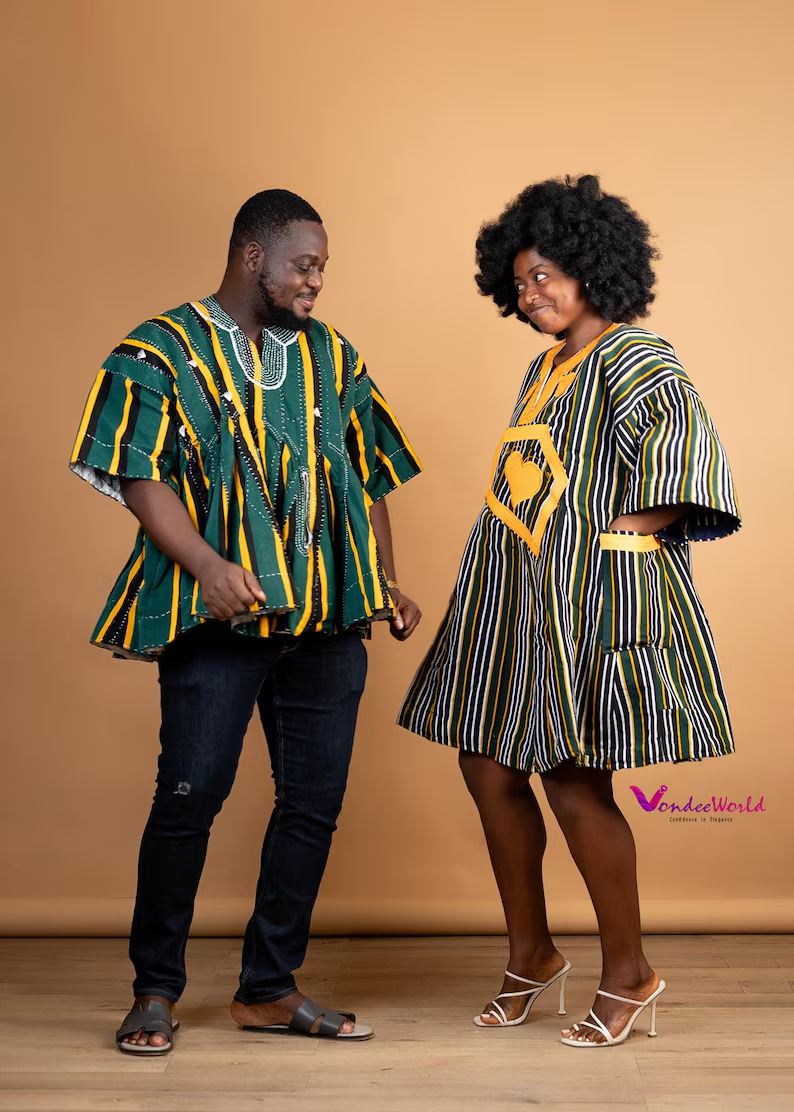

During his three-day state visit to Zambia (4–6 Feb 2026), Ghana’s President John Dramani Mahama wore a traditional fugu smock, a hand-woven garment deeply rooted in Ghanaian heritage, to official events.
Some social media users in Zambia, unfamiliar with the attire, jokingly referred to it as a “blouse,” which quickly went viral and sparked lively discussions online.
Rather than fading away, the moment evolved into a cultural exchange. Ghanaians passionately explained the history and meaning of the fugu, many posting photos of themselves in it, and even Ghana’s Parliament wore the smock in solidarity.

The debate caught wider attention when Zambia’s president expressed admiration and interest in the garment, signaling it as a symbol of diplomacy, cultural pride, and potential fashion interest beyond Ghana.
Origins & Names
Fugu is a traditional handwoven fabric and garment that originates from Northern Ghana. It is most commonly associated with the Dagomba, Mamprusi, Mossi, and other northern ethnic groups.
Across Ghana, it is known by different names:
- Fugu – widely used today, especially in fashion and media
- Batakari – common in Akan/Twi-speaking areas
- Bingba – among the Dagomba
- Smock – modern English

How It’s Made
Fugu is entirely handmade, making it both a textile and a work of art.
- Cotton is locally grown, spun into thread, and sometimes dyed using natural dyes.
- The threads are woven into narrow strips on traditional looms.
- These strips are carefully sewn together to form the fabric.
- The final garment is tailored into a loose-fitting smock, often finished with symbolic embroidery and functional pockets.

Cultural & Historical Significance
Historically, Fugu was worn by chiefs, warriors, hunters, and spiritual leaders, symbolizing:
- Authority
- Protection
- Identity
- Community pride

It later became a national symbol when Ghana’s leaders, including Kwame Nkrumah and Jerry Rawlings, wore it, deliberately choosing indigenous attire over Western suits to assert African identity.
Today, Fugu is worn at:
- Festivals
- Weddings and naming ceremonies
- Funerals
- State and cultural events

Modern Revival & Global Attention
In recent years, designers have reimagined Fugu with:
- Modern tailoring
- New color palettes
- Contemporary styling for everyday and formal wear
The recent Zambia state visit moment pushed Fugu into global conversation, reminding the world that African traditional clothing is not a costume but culture, history, and identity.
What began as an online misunderstanding became an opportunity for cultural education, pride, and renewed interest in Ghanaian craftsmanship on an international stage.

In Closing…
Moments like this remind us that African fashion is not just something to admire but also something to understand, respect, and preserve.
Fugu is more than a garment; it is history woven into fabric, identity worn with pride, and culture carried across generations.
At Clipkulture, our mission is to tell these stories, spotlight the people behind the craft, and bridge the gap between tradition and modern life.
Whether you are African at home or in the diaspora, learning the meaning behind what we wear keeps our culture alive and relevant.
Explore more African fashion, discover traditional artisans, and celebrate cultural identity with us on Clipkulture: where heritage meets lifestyle.
What Are You Looking For?
More results...


